INQUA 2404 my: EvolutiOn of Seascapes (OnSea)
ONSEA aims at creating a large interdisciplinary community of PhD, DCR, ECR and SS, sharing common interest in the study of the geomorphological evolution and the human occupation of the coastlines during the Holocene.
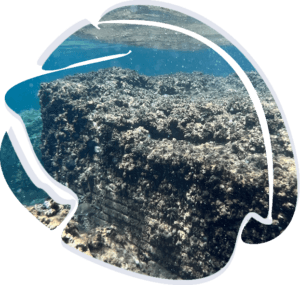 This project arises from the experience of the previous CMP NEPTUNE project, which created a network of junior and senior geoscientists and archaeologists interested in the development of innovative techniques and procedures to analyze the past landscape evolution at a wider scale from the shoreline to the continental shelf.ONSEA project points to widen the NEPTUNE research topics studying both coastal drowned and landlocked landscapes.
Research directions are as follows:
- Geoarchaeological studies of coastal areas;
- From field data to modeling approaches;
- New perspectives for paleo-landscape reconstructions;
- Coastal response to past and future climate changes;
- Past interactions between human societies and coastal processes;
- Shelf-to-nearshore evolution modeling.
Stay updated
Discover more

Latest developments
View moreLatest developments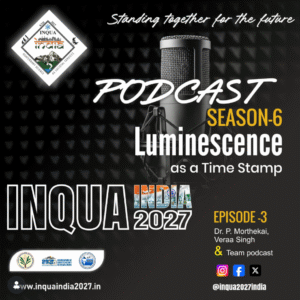 Podcast INQUA India 2027
Quaternary is the age when modern recognisable humans started inhabiting this planet. All over the world scientists are engaged in studying various aspects of human evolution. Once every 4 years scientists from all across the…
 INQUA Travel Grants for the XXII INQUA Congress 2027
Travel grants now open!
 8th Regional Meeting on Quaternary Geology, Slovenia – Call for abstracts
The event will take place from 4–6 November 2026 in Čatež ob Savi, East Slovenia.
 ONSEA Workshop 2026 – Online Event
The ONSEA workshops, originally planned in Morocco, will be switched ONLINE on 3-4 September 2026.
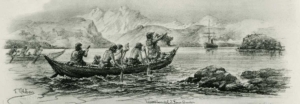 Workshop on the impact of climate and environmental change on the peopling of southern South America (CLIMPEOP-SSA)
Lumen, Paris-Saclay University, France – 16-18 September 2026
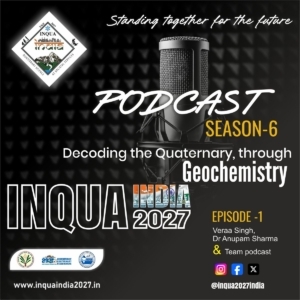 Podcast INQUA India 2027
Quaternary is the age when modern recognisable humans started inhabiting this planet. All over the world scientists are engaged in studying various aspects of human evolution. Once every 4 years scientists from all across the…