


INQUA 2611 sy: Advancing Brazilian Quaternary Science: Crossing Frontiers through Interdisciplinary Research (ABRAQUAS)
Abstract
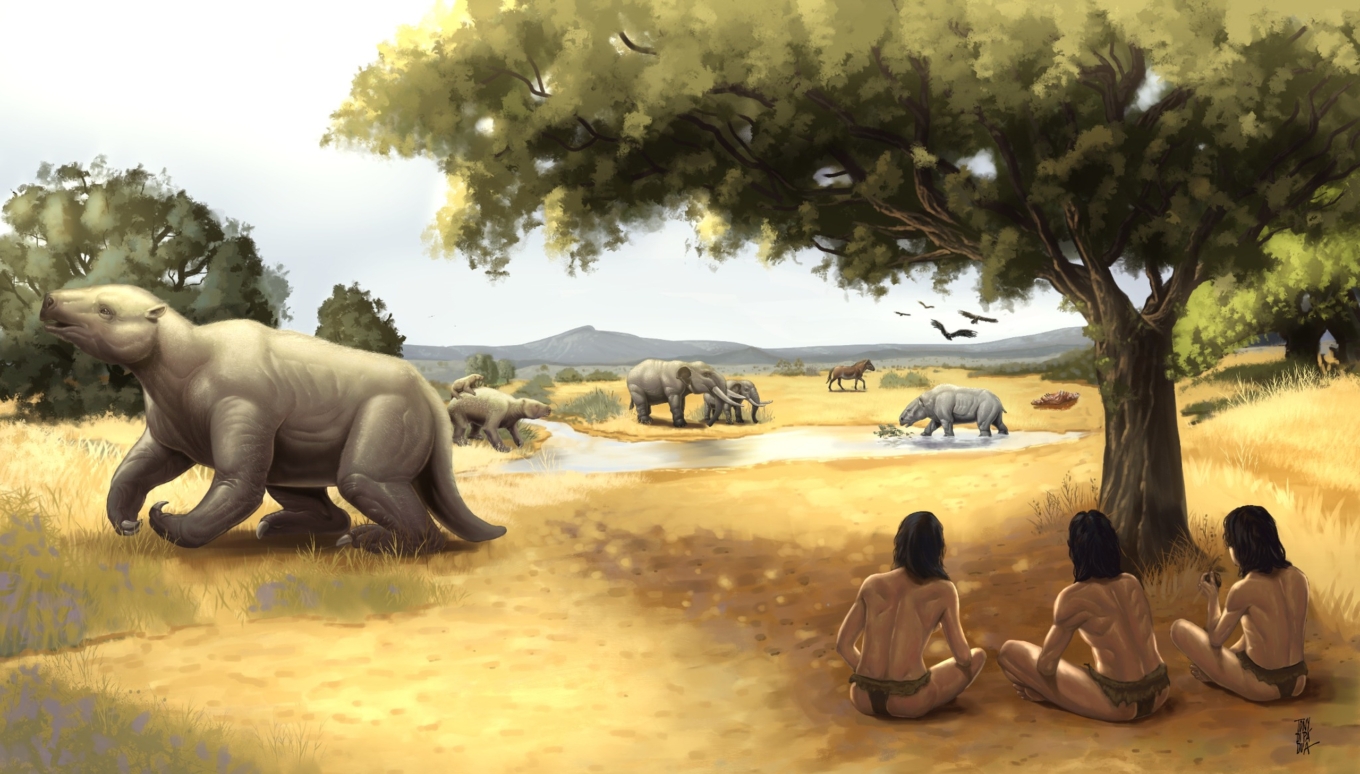
Although Quaternary paleontological and zooarchaeological research has continuously improved with the development of interdisciplinary and cutting-edge techniques in the Global North, several Latin American countries still lack the training or funding needed to keep pace with these advances. In this context, a recent project focused on investigating human–megafauna interactions during the Quaternary in Brazil is underway, in which we are exploring several state-of-the-art approaches, including the development of a portable UV-imaging camera for bone surface modification identification, highly sensitive geochemical analyses, dating efforts, paleoecological reconstructions, and attempts at ancient DNA recovery.
However, most of these approaches rely heavily on international collaborations (with researchers from North America and Europe), highlighting the importance of teaching and consolidating these practical skills and knowledge in Brazil. Therefore, the project “ABRAQUAS: Advancing Brazilian Quaternary Science: Crossing Frontiers through Interdisciplinary Research” aims to promote the dissemination of knowledge and cutting-edge techniques through collaboration between experienced national and international scientists, while also fostering the development of future projects and new collaborations among Brazilian and international researchers, including senior and early-career scientists, as well as students.
INQUA funding will be fundamental in facilitating the participation of Brazilian researchers (outside the Rio de Janeiro region) in this workshop, as well as international researchers who will deliver lectures (including theoretical and practical activities) across different areas of expertise. This one-week workshop currently includes 21 participants, 10 of whom are early-career scientists, who will exchange and discuss their recent work related to the theme of this project.
Project Leaders:
- Thaís Rabito Pansani, Universidade do Estado do Rio de Janeiro, Brazil