
Project 2315 sa: Shedding light on current developments in Paleo Ecological Genomics (SedaDNA)
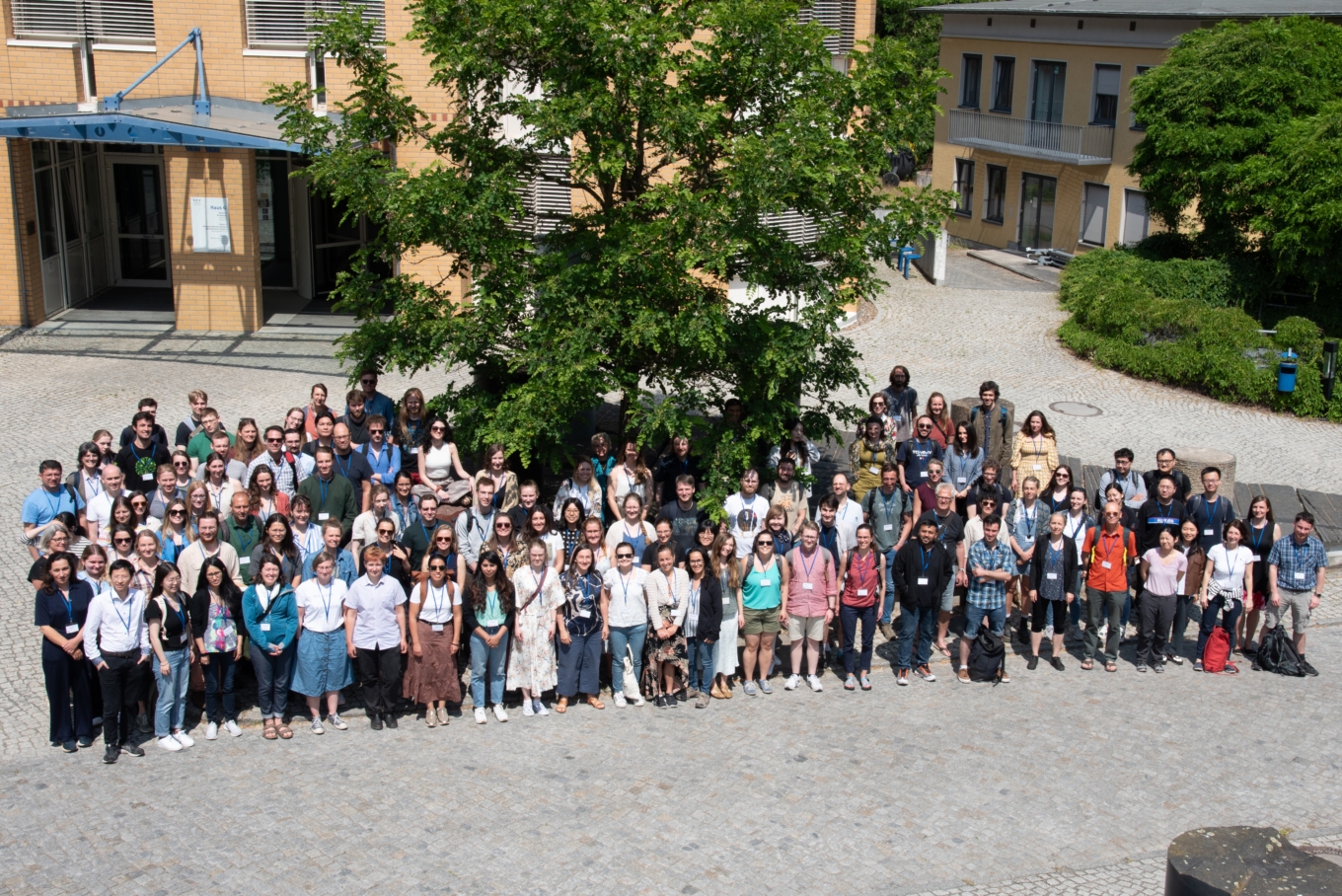
The first sedimentary DNA (sedDNA) Meeting took place from June 6th to 9th, 2023, at the Alfred-Wegener-Institute (AWI) Helmholtz Centre for Polar and Marine Research in Potsdam, Germany.
Abstract
Sedimentary ancient DNA (sedaDNA) is revolutionising the way scientists reconstruct past biodiversity and ecological dynamics. As a powerful proxy, sedaDNA enables researchers to examine historical biological communities across decadal to millennial timescales. This approach is transforming paleoecological research by offering unprecedented insight into eco-functional changes in terrestrial, freshwater, and marine environments.
The SedaDNA Meeting Potsdam brought together a vibrant, international community of researchers who are pushing the boundaries of sedaDNA science. This multidisciplinary event spanned three key components:
-
Symposium: A diverse scientific program featuring oral and poster contributions from leading experts across a wide range of sedaDNA research fields. Presentations covered cutting-edge case studies, methodological innovations, and emerging applications in paleoecology.
-
Hands-on Workshop: Aimed particularly at Early Career Researchers (ECRs), this workshop provided practical training in sedaDNA methodologies, bioinformatic pipelines, and statistical analysis. Participants gained essential skills and insights to enhance their own research.
-
Collaborative Writing Workshop: Organized by the PAGES PaleoEcoGen working group, this session fostered collaborative efforts to draft a synthetic publication. The focus was on analyzing sedaDNA time series to identify critical ecological transitions—contributions that will inform biodiversity conservation and future scenario modelling.
The meeting served as a nexus for knowledge exchange and interdisciplinary collaboration, with invited speakers representing a broad spectrum of expertise. By creating a dynamic platform for discussion and partnership, the event aimed to propel the field toward more quantitative and integrative paleoecological research. Special attention was given to nurturing the next generation of scientists through mentorship, skill development, and networking opportunities.
Project leaders:
- Kathleen Stoof-Leichsenring, Alfred-Wegener-Institute, Helmholtz Centre for Polar and Marine Research, Germany
- Ulrike Herzschuh, AWI Potsdam, Germany
Find out more
Related items

Latest developments
View moreLatest developments QEH Special issue: Call for papers
Anthropisation of riverscapes
 Royal Society meeting issue
Philosophical Transactions B under the ‘Subscribe to Open’ 2026 initiative
 Quaternary Science in Latin America: Building the Future from the Global South!
The First Latin American INQUA Meeting – 2026 is coming to Puerto Madryn, Patagonia, Argentina, on 11–12 November 2026! 🇦🇷
 QP Issue 40 Now published
The new issue of Quaternary Perspectives was published!
 Geo-Research Scholars Meet 2026 India
The Geo-Research Scholars Meet, will be hosted by the Wadia Institute of Himalayan Geology, India